

Quick answer
A traumatic brain injury claim is usually proven with prompt medical records, cognitive testing, ongoing treatment and observations from family and coworkers. Per the CDC, a brain scan is not needed to spot a mild TBI or concussion, so a normal scan does not by itself rule one out. In California, the general deadline to file an injury lawsuit is two years under Code of Civil Procedure section 335.1.
A brain injury can change how you think, sleep and feel, even when you look fine to everyone else. On October 14, 2026, attorney Alina Dermendjian of B&D Injury Law Group joined Rick Bentley on KGET 17’s Studio 17 Live to talk about traumatic brain injuries: the symptoms to watch for, why these injuries are hard to diagnose, and why getting medical care matters. You can watch the full KGET 17 segment on traumatic brain injuries.
As discussed on KGET 17, Studio 17 Live (October 14, 2026)
Alina explained common TBI symptoms, why a normal first CT scan may not be the end of the story, and how family members often notice behavior or personality changes the injured person does not.
Segment presented by B&D Law Group, APLC.
Also discussed on KGET 17, Studio 17 Live (May 2023)
Alina joined Studio 17 to talk about traumatic brain injury cases and how to prove a TBI in a legal case.
Segment presented by B&D Law Group, APLC.
This guide expands on both segments and explains how a TBI claim is built under California law.
Why brain injuries are hard to prove
The CDC defines a traumatic brain injury as an injury that affects how the brain works. It can be caused by a bump, blow or jolt to the head, or by a hit to the body that makes the head and brain move quickly back and forth. According to the CDC’s page on mild TBI and concussion, most TBIs each year are mild TBIs or concussions, and even so, the effects of a mild TBI or concussion can be serious.
The challenge in a legal case is that many of these injuries are invisible. There may be no cut, no cast and no scar. The CDC notes that symptoms may not appear for hours or days after the injury, and that symptoms can be hard to sort out because they look like other health problems. Insurance companies sometimes use that to argue the injury is minor or was caused by something else.
Symptoms and danger signs after a head injury
Brain injuries range from mild concussions to serious injuries with bleeding or swelling in the brain. The CDC says some symptoms may not appear for hours or days after the injury, so get checked even if you feel fine at first.
According to the CDC, adults should call 9-1-1 or go to an emergency department right away for danger signs such as:
- A headache that keeps getting worse and does not go away
- Weakness, numbness, poor coordination, convulsions or seizures
- Repeated vomiting
- Slurred speech or unusual behavior
- One pupil noticeably larger than the other
- Confusion, restlessness, agitation, or not recognizing people or places
- Losing consciousness or not being able to wake up
Medical evidence: records, imaging and testing
Early medical records. The most important evidence is usually a prompt medical visit. Tell the provider exactly how the injury happened, whether you hit your head, and every symptom you notice, even ones that seem small. Records made soon after the incident help connect the injury to the event.
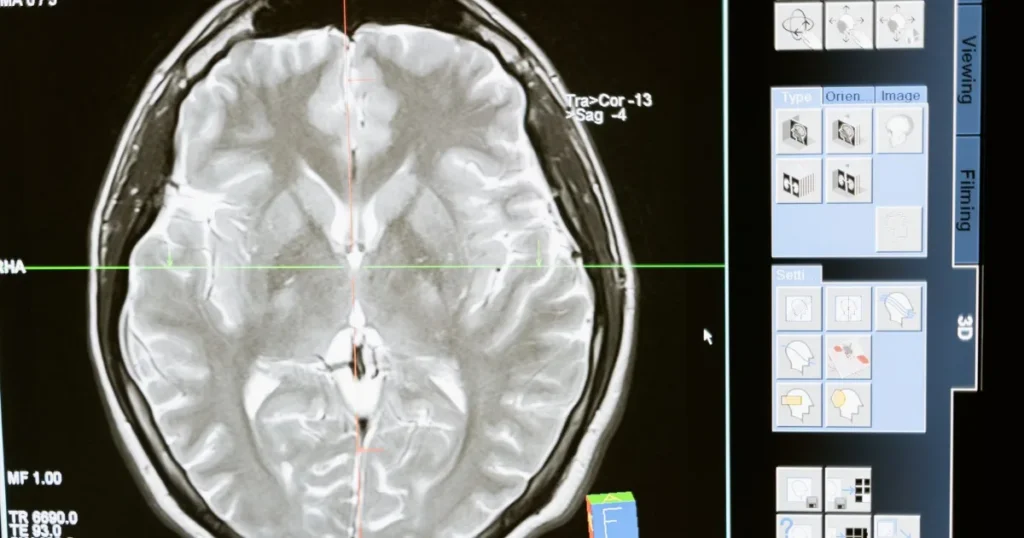
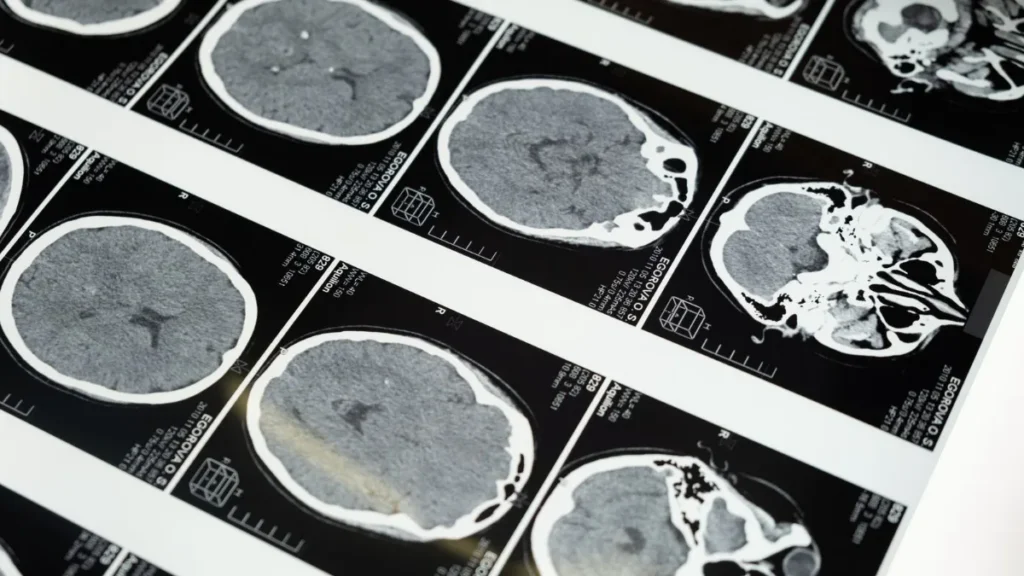
Imaging has limits. Many people assume a normal CT scan means there is no brain injury. That is not how doctors diagnose concussion. The CDC states that a scan of the brain, such as a CT scan, is not needed to spot a mild TBI or concussion, and that scans may be used when a patient is at risk of bleeding in the brain. CDC clinical guidance for children also advises against routinely imaging patients to diagnose mild TBI. In other words, a clean scan does not by itself mean you were not hurt.
Cognitive and neuropsychological evaluation. In a legal case, testing by a qualified professional can document problems with attention, memory, processing speed and other functions, and can be repeated over time to show whether you are improving.
Ongoing treatment. Follow your providers’ recommendations and keep your appointments. Gaps in care are often used to argue that you recovered or were not seriously hurt.
For more on warning signs, see our article on brain injury symptoms you should never ignore after a car accident.
Everyday evidence: family, coworkers and your own journal
Because brain injury symptoms show up in daily life, the people around you can be strong witnesses. The CDC lists symptoms in four groups: physical (such as headaches, dizziness, sensitivity to light or noise), thinking and remembering (such as trouble concentrating or feeling foggy), social or emotional (such as irritability, anxiety or sadness), and sleep changes. The CDC also notes that a person may not recognize their own problems, and that problems can be overlooked. See the CDC’s list of mild TBI and concussion symptoms.
- Before-and-after witnesses. A spouse, parent, friend, coworker or supervisor can describe changes they have seen in your memory, mood, patience or work.
- A symptom journal. Write down headaches, dizziness, forgotten tasks, sleep problems and mood changes as they happen, with dates.
- Work records. Missed days, reduced hours, performance reviews or accommodations can show how the injury affects your job.
- Accident evidence. Police reports, photos, vehicle damage and witness statements help show the force involved and how your head was struck or jolted.
Proving causation
You must show that the defendant’s conduct caused your injury, not just that you have symptoms. Under California Civil Code section 1714, everyone is responsible for injuries caused by their lack of ordinary care. Linking the brain injury to that conduct usually comes from the timeline (when symptoms began), medical records documenting the mechanism of injury, and medical opinions explaining why the incident caused your condition. If you had a prior head injury or other health condition, be upfront with your doctors and your lawyer. A prior condition does not automatically defeat a claim, but it needs to be addressed honestly and documented carefully.
Damages and the deadline to file
California Civil Code section 3333 sets the general measure of damages for injuries not arising from a contract: the amount that will compensate for all the harm proximately caused, whether or not it could have been anticipated. In a TBI case, that can include medical bills, future treatment, lost earnings, reduced ability to earn, and pain, suffering and loss of enjoyment of life. Every case is different, and no one can predict what a claim is worth. Our article on how TBI claims are valued in California explains the factors involved.
Timing matters. Code of Civil Procedure section 335.1 sets a general two-year deadline to file a lawsuit for injury caused by another person’s wrongful act or neglect. If a government entity may be responsible, Government Code section 911.2 generally requires a claim to be presented within six months. Brain injury symptoms that appear slowly can make it tempting to wait, so it is worth getting advice early.
Key takeaways
- Get medical care promptly and report every symptom, including how the injury happened.
- Per the CDC, a brain scan is not needed to spot a mild TBI or concussion, so a normal scan does not by itself rule one out.
- Cognitive testing, treatment records, family and coworker observations and a symptom journal can all help document a TBI.
- Civil Code section 3333 allows compensation for all harm proximately caused by the wrongful conduct.
- The general deadline to sue is two years (Code of Civil Procedure section 335.1). Claims against public entities generally must be presented within six months.
Talk to a California injury attorney
If you or a family member suffered a head injury in a crash, fall or other incident, we can review your records, explain your deadlines and help gather the evidence a TBI claim needs. Call B&D Injury Law Group at (888) 977-2238 or contact us online.
Attorney advertising. This article is general information, not legal advice. Reading it or contacting us does not create an attorney-client relationship. Every case is different, and results will differ based on different facts. Past results do not guarantee a similar outcome, and no result is guaranteed. B&D Law Group, APLC, Los Angeles office: 10700 Santa Monica Blvd, Suite 200.