

If you were injured in a car crash, a fall or another accident in San Diego, the first weeks decide a lot: which agency wrote the report, whether a public agency shares the blame, and which deadlines are already running. This page explains how those pieces work in San Diego specifically, and how our Orange County personal injury attorneys can help.
Looking for a San Diego personal injury lawyer? B&D Law Group, APLC handles San Diego car, truck, motorcycle, pedestrian and premises injury cases, and the first consultation is free.
Getting your San Diego collision report
For crashes on city streets, the San Diego Police Department Records Division provides copies of traffic collision reports:
- Allow three to 10 business days from the date of the crash.
- Request it online through LexisNexis eCrash, where a small fee may apply, or by mail to SDPD Records MS#726, P.O. Box 121431, San Diego, CA 92112 with a stamped self-addressed envelope and a $12 check or money order payable to the City Treasurer.
- In person, the Records Division is at 1401 Broadway, San Diego, CA 92101, Monday to Thursday, 7:30 a.m. to 3:30 p.m., with a $12 processing fee per report.
Freeway crashes are generally handled by the California Highway Patrol. The CHP San Diego Area office, at 5902 Kearny Villa Road, covers the freeways serving San Diego, Chula Vista, National City and Coronado.
San Diego roads where serious crashes happen
The city’s General Plan Mobility Element names Interstates 5, 15 and 805 and State Routes 52, 54, 56, 94 and 125 among the freeways with planned or underway improvements. It identifies I-5 and I-15 as the two major north-south truck corridors, and I-8, SR-94/125 and SR-905/Otay Mesa Road as the main east-west truck corridors.
The California Office of Traffic Safety’s most recent crash rankings (2023 data) counted 4,861 people killed or injured in San Diego crashes that year, including 522 pedestrians, 380 bicyclists and 349 motorcyclists, with 740 victims in alcohol-involved crashes. San Diego ranked 13th of 15 large California cities (populations over 250,000) for total victims, where 1st is worst. OTS weights its rankings by population and miles driven, so the rank is not a simple head count. (OTS crash rankings)
When the City of San Diego or another public agency may be responsible
A broken sidewalk, a missing sign or a poorly maintained intersection can make a public agency partly responsible for an injury:
- City streets and sidewalks: claims against the City of San Diego go to the Risk Management Department. You can file through the city’s Public Liability Claims Portal, or mail or deliver the signed claim form (RM-9) to 1200 Third Ave., Suite 1000, San Diego, CA 92101. The city stopped accepting first-notice claims by email in December 2023.
- Buses and trolleys: injuries involving an MTS bus or the San Diego Trolley are presented to the Metropolitan Transit System’s claims administrator, not the city, on a form provided by MTS.
Either way, the six-month claim deadline below applies, so it is worth sorting out the right agency early.
Courts serving San Diego
San Diego Superior Court’s Central Division takes civil filings at the Hall of Justice, 330 W. Broadway. The court assigns civil cases to a division based on where the defendant lives or does business, using its ZIP code list. If your case goes to court, we handle where and how it is filed.
Cases we handle for people hurt in San Diego
Our personal injury attorneys represent people injured in San Diego in cases including:
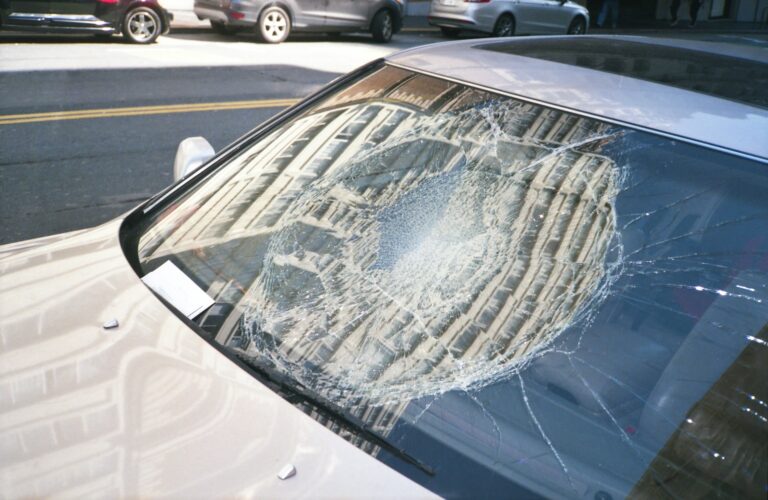


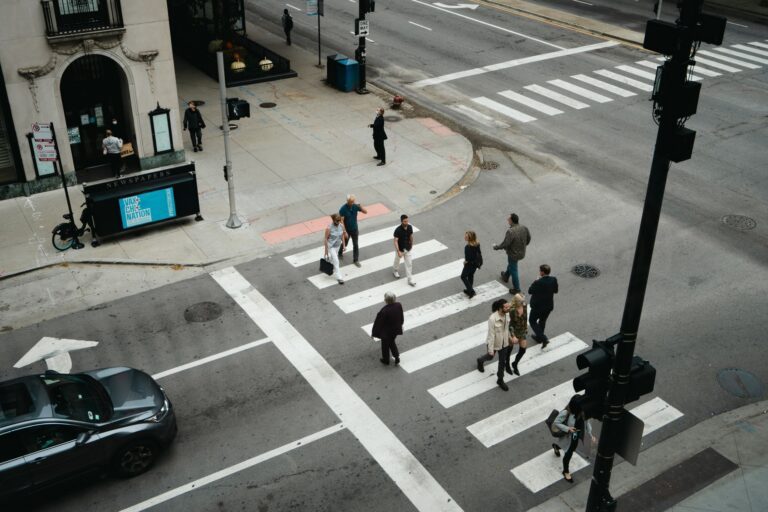







You can also read about our past case results and what clients say about working with us.
What a San Diego injury claim can cover
California law sorts personal injury damages into a few categories:
- Economic damages: objectively verifiable money losses, such as medical expenses, lost earnings and the cost of repairing or replacing property (Civil Code section 1431.2).
- Non-economic damages: subjective losses such as pain, suffering, emotional distress and loss of companionship (same section).
- Punitive damages: available only in limited cases, when it is proven by clear and convincing evidence that the defendant acted with oppression, fraud or malice (Civil Code section 3294).
What a particular claim is worth depends on the injuries, the evidence and the insurance available, so we review each case individually and never promise a result.
How a San Diego personal injury case usually moves
- Free consultation. You tell us what happened and we explain your options. There is no attorney fee unless we recover compensation for you.
- Investigation. We gather the collision or incident report described above, photos, witness information and your medical records.
- Claim and negotiation. We present the claim to the insurance company and negotiate for a fair settlement.
- Government claim if needed. If the City of San Diego or another public agency may share responsibility, we prepare the written claim before the six-month deadline.
- Lawsuit if needed. If the case does not settle, we file a lawsuit in the proper California Superior Court and keep pushing toward trial.
Deadlines and fault rules that apply to every California injury claim
- Two years to file a lawsuit. Most personal injury lawsuits must be filed within two years of the injury under Code of Civil Procedure section 335.1.
- Six months for claims against a public agency. If a city, county or state agency may be responsible, for example because of a dangerous road condition or a government vehicle, a written claim generally must be presented within six months after the claim accrues under Government Code section 911.2. Missing that deadline can end the claim.
- Partly at fault does not mean no recovery. California uses pure comparative fault (Li v. Yellow Cab Co. (1975) 13 Cal.3d 804). If you share some of the blame, your compensation is reduced by your share rather than barred.
San Diego personal injury FAQ
How much does a personal injury lawyer cost in San Diego?
B&D Law Group, APLC handles personal injury cases on a contingency fee, which means no attorney fee unless we recover compensation for you. The consultation is free.
How long do I have to file a personal injury claim in San Diego?
Most California personal injury lawsuits must be filed within two years of the injury (Code of Civil Procedure section 335.1). If a city, county or state agency may be responsible, a written claim generally must be presented within six months (Government Code section 911.2).
What if I was partly at fault for the San Diego accident?
California follows pure comparative fault (Li v. Yellow Cab Co.). If you share some of the blame, your compensation is reduced by your share rather than barred.
Can I make a claim against the City of San Diego?
Yes, but California requires a written claim to the public agency before a lawsuit can be filed (Government Code section 945.4), and the claim generally must be presented within six months. The section above on public agency claims explains where San Diego claims go.
Where do I get my San Diego accident report?
The “Getting your San Diego collision report” section above lists the agency that handles crashes inside city limits and how to request a copy. Freeway crashes are generally handled by the California Highway Patrol.
Nearby cities we serve
We also represent injured people in communities near San Diego:
- Chula Vista personal injury attorneys
- El Cajon personal injury attorneys
- Escondido personal injury attorneys
- Carlsbad personal injury attorneys
- Temecula personal injury attorneys
- Murrieta personal injury attorneys
- Our Orange County office
- All areas we serve
Talk to a B&D Law Group attorney
B&D Law Group, APLC represents people hurt in San Diego and across San Diego County. Our nearest office is the Orange County office at 2 S. Pointe Dr, Ste 248, Lake Forest, CA 92630. The consultation is free, and we handle personal injury cases on a contingency fee, which means no attorney fee unless we recover compensation for you. Call (888) 977-2238 or send us your case details.
Attorney advertising. This page is provided for general informational purposes only and is not legal advice. Reading this page or contacting us does not create an attorney-client relationship. Agency procedures, fees and data on this page were checked against official sources in October 2026 and can change. Prior results do not guarantee a similar outcome.