

A crash with a commercial truck is not the same as a crash between two cars. Larger vehicles, federal safety rules, company records and bigger insurance policies change how a claim is investigated and valued. This page explains how those pieces work in Los Angeles, and how our Los Angeles personal injury attorneys can help.
Looking for a Los Angeles truck accident lawyer? B&D Law Group, APLC handles truck accident cases across Los Angeles, and the first consultation is free.
Evidence in a truck case can disappear quickly
Most commercial carriers must record each driver’s duty status with an electronic logging device, with limited exceptions (49 CFR 395.8). A motor carrier must keep those records of duty status and their supporting documents for at least six months from receipt. That window is short, and ordinary business practices can overwrite other data sooner, which is why we send a written preservation request early. Items we look for include:
- Driver logs and electronic logging device data
- Dispatch records, bills of lading and delivery schedules
- Maintenance, inspection and repair records
- Driver qualification and training files
- Dash camera video and any available traffic or business camera footage
- Truck event data and onboard sensor information
Who can be responsible
A trucking company is often responsible for what its driver does on the job, and it can also be responsible for its own choices, such as how it hires, trains, schedules and maintains. Depending on the facts, a shipper or loader that packed the cargo, a maintenance contractor or a parts manufacturer may share responsibility too. Naming every responsible party matters because each may carry its own insurance.
Truck insurance is usually larger, but not unlimited
For for-hire carriers of non-hazardous property in interstate commerce using vehicles rated 10,001 pounds or more, the federal minimum financial responsibility is $750,000 (49 CFR 387.9). Higher minimums apply to certain hazardous cargo, other rules can apply to other carriers, and actual coverage can be higher. We confirm the policies that apply to your case early.
Getting your Los Angeles collision report
For crashes inside the City of Los Angeles, the LAPD Records and Identification Division releases traffic collision reports to authorized people, such as those involved in the crash and their representatives, as provided in Vehicle Code section 20012. The LAPD says you can request a report online through LexisNexis or by mail to Los Angeles Police Department, Records and Identification Division, Document Processing Unit, P.O. Box 30158, Los Angeles, CA 90030. Its recorded line for questions or a status update is (213) 486-8130. Fees change, so check the LAPD’s current instructions before you pay. Crashes on state freeways, such as the 5, 10, 101 or 405, are generally investigated by the California Highway Patrol instead.
When the City of Los Angeles or another agency may be responsible
A broken traffic signal, a poorly maintained road or a city vehicle can make a public agency partly responsible for a crash. California does not allow a lawsuit against a public entity until a written claim has been presented and acted on (Government Code section 945.4), and a claim for injury to a person generally must be presented within six months of the incident (Government Code section 911.2). The City of Los Angeles accepts claims through the Office of the City Clerk online, by mail or in person at 200 North Spring Street, Room 395, City Hall, Los Angeles, CA 90012; the city does not accept claims by email or fax (see also the City Attorney claims page). Claims involving state roads, LA County or LA Metro go to those agencies, so identify the right one early.
Fault, deadlines and what a claim can cover
- Two years to file a lawsuit. Most California personal injury lawsuits must be filed within two years of the injury (Code of Civil Procedure section 335.1).
- Six months for government claims. If a public agency may share the blame, the written claim deadline is much shorter (Government Code section 911.2).
- Shared fault reduces, but does not bar, your claim. California follows pure comparative fault, so your compensation is reduced by your percentage of fault rather than eliminated (Li v. Yellow Cab Co. (1975) 13 Cal.3d 804).
Depending on the facts, a claim can seek compensation for medical bills, future care, lost income, reduced earning ability, property damage and the pain and disruption the injury has caused.
How a Los Angeles truck accident case usually moves
- Free consultation. You tell us what happened and we explain your options. There is no attorney fee unless we recover compensation for you.
- Investigation. We gather the collision report described above, photos, witness information, insurance details and your medical records.
- Claim and negotiation. We present the claim to the insurance company and negotiate for a fair settlement.
- Government claim if needed. If the City of Los Angeles or another public agency may share responsibility, we prepare the written claim before the six-month deadline.
- Lawsuit if needed. If the case does not settle, we file a lawsuit in the proper California Superior Court and keep pushing toward trial.
Cases we handle for people hurt in Los Angeles
Our personal injury attorneys represent people injured in Los Angeles in cases including:
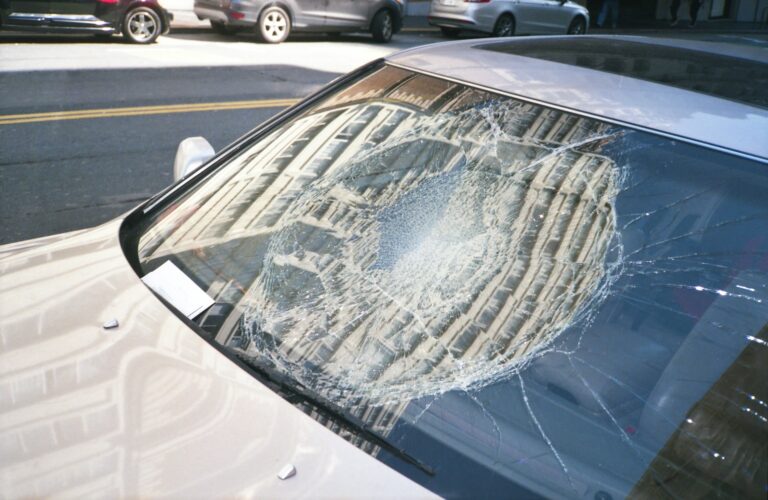
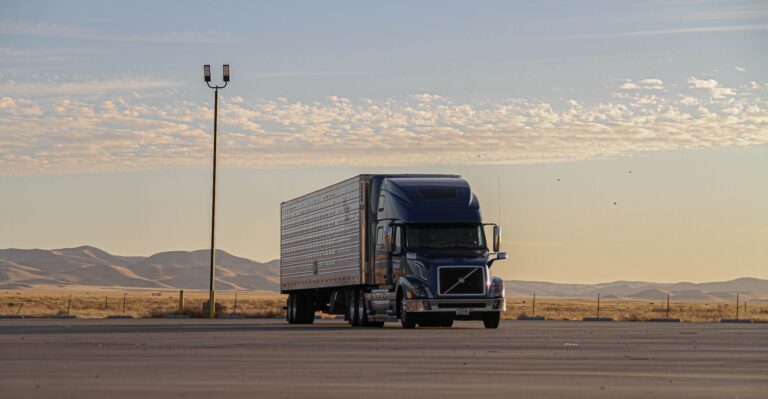









You can also read about our past case results and what clients say about working with us.
Frequently asked questions
How much does a Los Angeles truck accident lawyer cost?
The consultation is free. We handle personal injury cases on a contingency fee, which means no attorney fee unless we recover compensation for you.
How long do I have to file a truck accident claim in Los Angeles?
Most California personal injury lawsuits must be filed within two years of the injury (Code of Civil Procedure section 335.1). If a city, county or state agency may be responsible, a written claim generally must be presented within six months (Government Code section 911.2).
How long do trucking companies keep driver logs?
Federal rules require a motor carrier to keep a driver’s records of duty status and supporting documents for at least six months from receipt (49 CFR 395.8(k)). That is why we send a written preservation request early.
How much insurance must a trucking company carry?
The federal minimum for for-hire carriers of non-hazardous property in interstate commerce, using vehicles rated 10,001 pounds or more, is $750,000 (49 CFR 387.9). Higher minimums apply to certain hazardous cargo, other rules can apply to other carriers, and actual coverage can be higher, so we confirm the coverage in each case.
Who can be responsible for a truck crash?
Depending on the facts, responsibility can reach the driver, the trucking company, a shipper or loader, a maintenance contractor or a parts manufacturer. Which of them is responsible turns on the evidence, which is why early investigation matters.
Related pages and nearby areas
More ways we help injured people across Los Angeles County:
- Los Angeles car accident lawyer
- Los Angeles motorcycle accident lawyer
- Los Angeles pedestrian accident lawyer
- Los Angeles bicycle accident lawyer
- Los Angeles dog bite lawyer
- Los Angeles slip and fall lawyer
- Los Angeles wrongful death attorney
- California truck accident attorneys
- Los Angeles personal injury attorneys
- Santa Monica personal injury lawyer
- Culver City personal injury lawyer
- Hollywood personal injury lawyer
- Inglewood personal injury lawyer
- Glendale personal injury lawyer
- Long Beach personal injury lawyer
- All California and Nevada areas we serve
Talk to a B&D Law Group attorney
B&D Law Group, APLC represents people hurt in Los Angeles from our Los Angeles office at 10700 Santa Monica Blvd, Suite 200, Los Angeles, CA 90025. The consultation is free, and we handle personal injury cases on a contingency fee, which means no attorney fee unless we recover compensation for you. Call (310) 424-5252 or send us your case details.
Attorney advertising. This page is provided for general informational purposes only and is not legal advice. Reading this page or contacting us does not create an attorney-client relationship. Agency procedures, fees and data on this page were checked against official sources in October 2026 and can change. Prior results do not guarantee a similar outcome.