

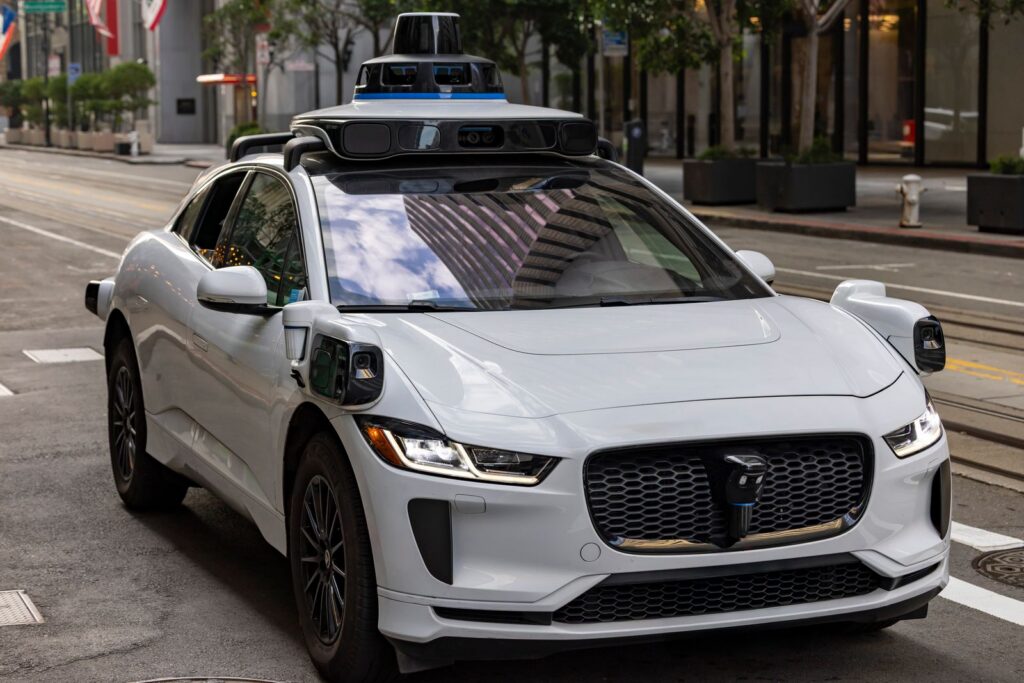
California officials have stopped Waymo’s driverless cars from using the state’s freeways, and the news matters to anyone worried about a Waymo accident in California. The Associated Press reports that the California Department of Motor Vehicles issued an order on November 11, 2026 barring Waymo from operating or testing its driverless vehicles on all California freeways. The DMV said the vehicles “pose an imminent hazard to public safety.” Why? Because they kept entering active construction zones where workers, vehicles and equipment were present. Waymo responded by pausing driverless freeway rides in every market where it offered them. Its city-street service keeps running.
If you share the road with robotaxis in Los Angeles or the Bay Area, this story matters to you. A Waymo accident in California raises questions that a normal crash does not. There may be no human driver to exchange information with. The evidence lives in a company’s data systems. And the rules come from both the Vehicle Code and DMV regulations. Here is what happened, what California law says and what to do if a driverless car hurts you.
What the DMV order says
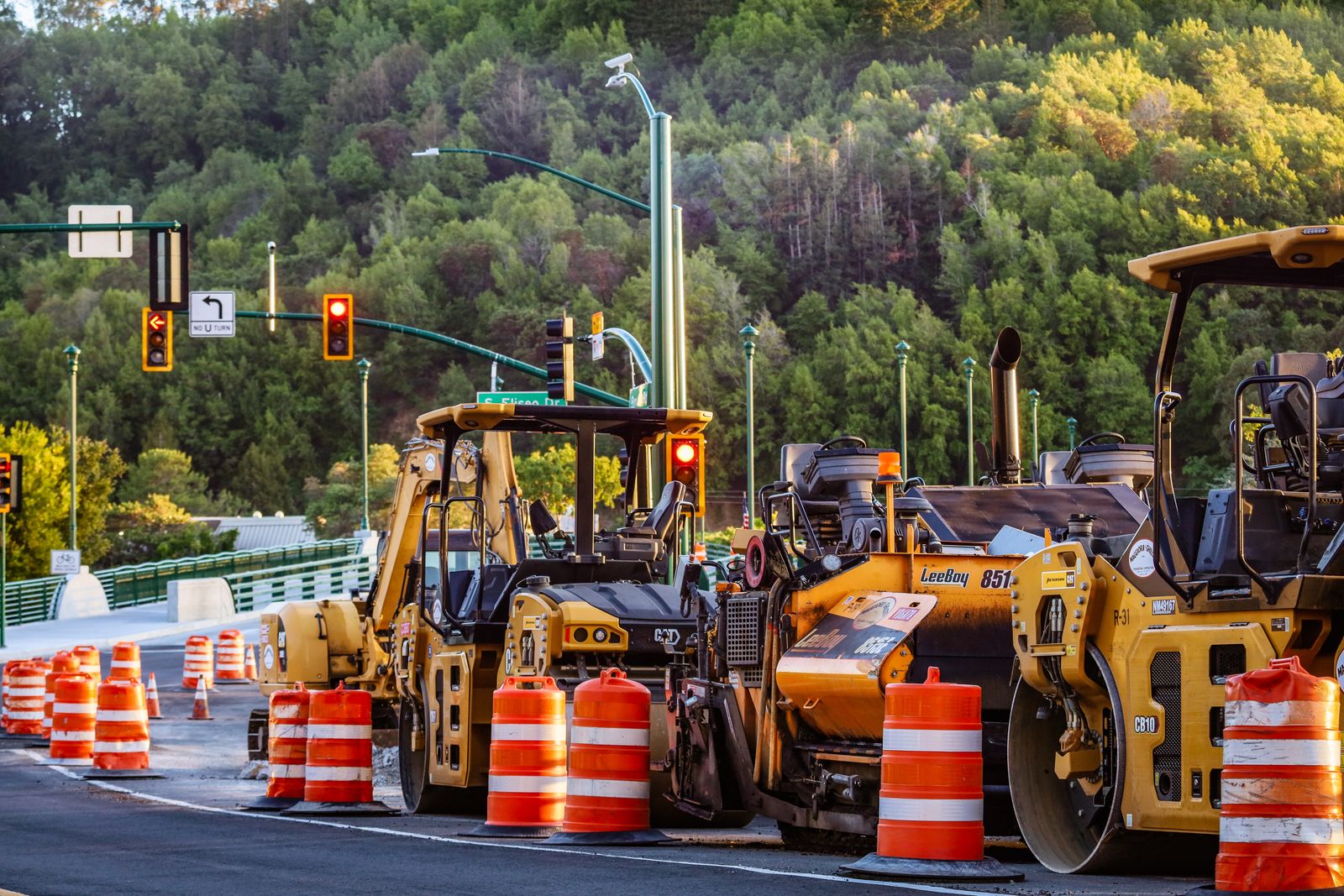
As reported by the AP, the DMV pointed to two recent incidents. On November 5, three Waymo vehicles entered an active construction closure on U.S. 101 near Burlingame. The next day, a Waymo tried to pass California Highway Patrol vehicles that were running a traffic break on Interstate 280 in San Francisco. The DMV said similar incidents happened on May 18, 2026. The freeway restriction stays in place until Waymo shows the DMV corrective actions. No end date has been announced.
Waymo told reporters that the recent incidents did not involve any injuries or collisions. That claim comes from the company, not from the DMV. Waymo had started offering driverless freeway rides in California in November 2025. Before this order, it offered them in the Bay Area, Los Angeles, Phoenix, Miami and Austin.
The numbers and rules behind driverless cars in California
The DMV describes its autonomous vehicle rules as the most comprehensive in the nation. Several of them matter after a crash:
- Insurance. Under Vehicle Code section 38750, a company must carry insurance, a surety bond or proof of self-insurance of five million dollars ($5,000,000) before testing autonomous vehicles in California. It must certify the same amount when it applies to deploy them.
- Collision reports. The DMV requires companies to report every collision involving their autonomous vehicles that results in property damage, bodily injury or death. It publishes those reports.
- Moving violations. Under DMV regulations adopted April 28, 2026, police can issue a Notice of AV Noncompliance to the company when its driverless car commits a moving violation.
- First responders. The same rules require AV companies to answer first responder calls within 30 seconds. They must also move their vehicles out of an emergency zone within two minutes of a geofencing directive.
- Operating limits. The DMV can now impose targeted restrictions on a company’s fleet size, location, speed and weather conditions when public safety requires it.
These rules do not decide who pays for your injuries. They do create records, such as collision reports and violation notices, that can help show what happened.
Why construction zones are a problem for driverless cars
Work zones are hard for any driver. Lanes shift without warning. Cones and barrels replace painted lines. Flaggers and officers give hand signals. Workers stand a few feet from moving traffic. A human driver can read a flagger’s wave or an officer’s gesture. The DMV’s order shows that Waymo’s vehicles did not handle those situations the way regulators expect.
A construction zone crash can also involve more than one party. The driverless car company, a human driver who reacted badly, and the contractor or public agency that set up the work zone may each share responsibility.
What California law says about a crash with a driverless car
California’s basic injury rule is Civil Code section 1714. Everyone is responsible for injuries caused by a lack of ordinary care in managing their property or themselves. That rule does not disappear because software was driving. When a company puts a driverless car on a public road, the question is still whether someone failed to act with reasonable care, and whether that failure caused your injuries.
Section 1714 also allows for shared fault. If an injured person is found partly at fault, their compensation can be reduced by their share. It is not automatically eliminated.
In a driverless car case, the parties who may be responsible can include the company that operates the vehicle, another human driver, a contractor or a public agency if a dangerous work zone or road condition played a role. Each one usually has its own insurer and its own lawyers.
Deadlines you cannot miss
Most California injury lawsuits must be filed within two years under Code of Civil Procedure section 335.1. That includes claims for the death of a loved one.
If a public entity may be responsible, the deadline is much shorter. One example is a city or state agency that controlled a work zone. Under Government Code section 911.2, a claim for personal injury against a public entity must be presented within six months. Missing that deadline can end the claim against that entity.
What to do if you are hurt in a crash with a driverless car
- Call 911. Get medical care right away, even if you feel fine. Some injuries do not show symptoms for hours or days.
- Ask for a police report. Write down the responding agency and the report number.
- Photograph everything: the driverless car, any visible fleet number or markings, the other vehicles, traffic cones, signs and lane closures, and your injuries.
- If you were a passenger, save your ride details from the app, including the trip time and route.
- Get the names and phone numbers of witnesses, including any workers in a construction zone.
- Do not give a recorded statement or sign anything for an insurance company or the driverless car company before you get legal advice.
- Keep every medical record, bill and receipt. Write down how the injuries affect your work and daily life.
- Talk to a personal injury lawyer early, while video, sensor data and other records can still be preserved.
B&D Injury Law Group can help
Driverless cars are new, but the harm they cause is not. If you were hurt by a robotaxi as a passenger, another driver, a pedestrian or a cyclist, B&D Injury Law Group can review what happened and explain your options under California law. Learn more about our work on car accident cases, rideshare accident claims and pedestrian accident cases, or visit our Los Angeles personal injury page.
Call (888) 977-2238 to talk with our team about your situation.
Sources: Associated Press via KPBS; California DMV, Autonomous Vehicles; California DMV news release, April 28, 2026; Vehicle Code 38750; Civil Code 1714; Code of Civil Procedure 335.1; Government Code 911.2.
Attorney advertising. This article is general information, not legal advice. Reading it or contacting us does not create an attorney-client relationship. Every case is different, and results will differ based on different facts. Past results do not guarantee a similar outcome, and no result is guaranteed. B&D Law Group, APLC, Los Angeles office: 10700 Santa Monica Blvd, Suite 200.
Related Reading
- As Discussed on KGET 17: Holiday Car Accident Risks and What to Do
- As Discussed on KGET 17: When to Contact a Personal Injury Attorney
- Hanging Things From Your Rearview Mirror in California: The Law and Fault After a Crash
- Sued for Personal Injury in California? What to Do Next
- Car Accident Attorneys — B&D Law Group