

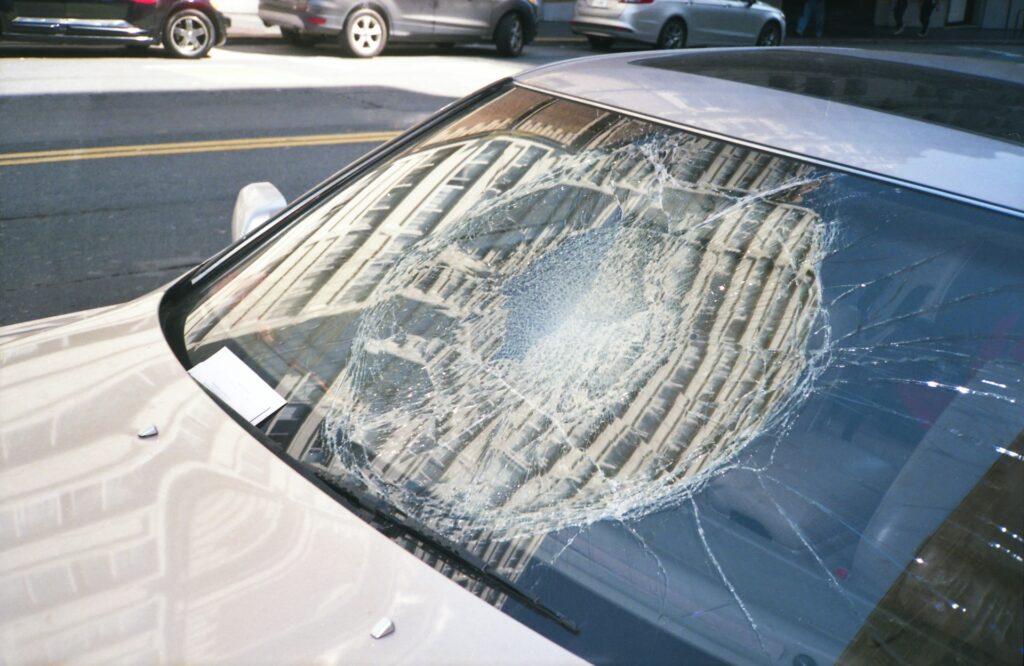
In California, an unlicensed driver in an accident is not automatically at fault. Fault depends on how each driver actually behaved, not on whether one of them had a valid license. Driving without a license is its own violation, but it usually does not cause the crash, so it does not decide liability by itself.
B&D Injury Law Group represents people injured in collisions across California. This article explains what an unlicensed driver’s status does and does not change, how it affects insurance, when a vehicle owner can be responsible, and what to do if the person who hit you had no license or no coverage.
Is an Unlicensed Driver in an Accident at Fault Automatically?
No. California decides fault based on negligent conduct: who ran the light, who failed to yield, who was following too closely, who was speeding. An unlicensed driver in an accident is at fault only if their driving caused it. The missing license is a separate violation with separate consequences.
There is a legal reason for this. When a statute violation is used to establish negligence, the violation generally has to be what caused the harm. Not having a license in your wallet does not make a vehicle drift into another lane. What makes a case is the driving.
That said, the lack of a license is rarely irrelevant in practice. It often comes packaged with other facts that do matter: no insurance, unfamiliarity with the vehicle, a suspended license from a prior DUI, or a decision to leave the scene.
Can Being Unlicensed Still Matter to Your Claim?
Yes, in indirect ways. It can support a claim against whoever handed over the keys, it may signal an underlying suspension for dangerous driving, and it strongly increases the odds that no liability insurance exists. Each of those changes how the claim gets built and where the money comes from.
Driving without a valid license in California is a Vehicle Code violation, and a citation for it will typically appear in the police report. That report becomes a document in your claim even though it does not settle fault.
If the license was suspended or revoked rather than never issued, the reason for the suspension can matter. A suspension tied to prior impaired driving or reckless driving may open the door to arguments about the driver’s history and about the owner’s decision to lend the car.
What Does and Does Not Change When the Other Driver Is Unlicensed?
Several assumptions about unlicensed drivers turn out to be wrong once the claim is actually evaluated. The chart below separates what people commonly believe from what California law actually does, and it explains why the insurance question usually matters more than the license question.
| Issue | What people assume | What California law actually does |
|---|---|---|
| Fault for the crash | The unlicensed driver is automatically responsible | Fault is based on driving conduct, decided the same way as any collision |
| Insurance coverage | No license means no coverage at all | A policy may still respond; it depends on the policy terms and who owned the car |
| The vehicle owner | The owner is off the hook if they were not driving | An owner who lends a car can face liability, including for negligent entrustment |
| Your own coverage | Uninsured motorist coverage only applies in hit-and-runs | It generally applies whenever the at-fault driver has no or too little coverage |
| Criminal citation | A ticket for driving unlicensed proves the civil case | It is evidence, but the civil claim still turns on negligence and damages |
Who Pays If the Unlicensed Driver Has No Insurance?
Most often your own uninsured motorist coverage. Unlicensed drivers are frequently uninsured, and UM coverage is designed for exactly that situation. If the vehicle belonged to someone else, that owner’s policy may also respond, and the owner may have independent liability for lending the car.
Check every possible source before assuming there is nothing. Sources that come up regularly include the driver’s own policy if one exists, the vehicle owner’s policy, a household member’s policy that covers you, your uninsured or underinsured motorist coverage, your medical payments coverage, and your health insurance.
California also makes a vehicle owner liable for the negligence of someone they allowed to drive their car, though the owner’s liability under that specific rule is capped at a relatively modest statutory amount. Negligent entrustment is a separate theory without that cap, and it applies when the owner knew or should have known the driver was unfit or unlicensed.
Suing an uninsured individual directly is possible but often produces a judgment that is hard to collect. That is a practical reality worth understanding early rather than after months of effort.
What If You Were the Unlicensed Driver?
You can still bring a claim. Being unlicensed does not bar recovery in California, and it does not make you at fault. The bigger issue is insurance: an uninsured owner or operator injured in their own vehicle is generally barred from recovering pain and suffering damages, even when the other driver caused the crash.
That restriction comes from Civil Code section 3333.4, the statute enacted through Proposition 213. It limits non-economic damages, but it does not eliminate economic damages such as medical bills and lost wages. It also generally does not apply to passengers or pedestrians.
California law also generally prohibits introducing evidence of a person’s immigration status in a personal injury case. Fear about that issue keeps many injured people from seeking care or making a claim, and it should not.
If you were unlicensed and the other driver was at fault, get advice before assuming the claim is worthless. The analysis depends on whether the vehicle was insured, who owned it, and whether you were driving or a passenger.
What Should You Do After a Crash With an Unlicensed Driver?
The most useful things happen in the first hour, before anyone leaves and before stories change. Unlicensed drivers are more likely than average to leave the scene, so identifying the driver and the vehicle owner is the immediate priority.
- Call 911 and make sure officers respond. A police report is far more important than usual in these cases.
- Photograph the license plate first, then the vehicles, the scene, and the position of everything before anyone moves.
- Write down the driver’s name, date of birth, and any document they show you, even if it is not a driver’s license.
- Get the vehicle owner’s name if the driver was not the owner, because the owner’s coverage may be the real source of recovery.
- Collect witness names and phone numbers yourself rather than relying on the report to capture them.
- Get medical care the same day and describe every symptom, including headaches and neck stiffness.
- Notify your own insurer promptly and ask them to open an uninsured motorist claim if coverage may apply.
- Talk to a lawyer before giving a recorded statement or accepting any early settlement offer.
How Long Do You Have to File, and What Does the Process Look Like?
You generally have two years from the date of the collision to file a personal injury lawsuit in California under Code of Civil Procedure section 335.1. Uninsured motorist claims run on your policy’s own contractual deadlines, which are usually shorter, and missing those can end that coverage.
An uninsured motorist claim is a claim against your own insurer, which means the company that collects your premiums is now the one evaluating your injuries. That relationship is often less friendly than people expect, and the process is closer to a liability claim than to a routine repair claim.
If the claim does not resolve, most UM policies require arbitration rather than a lawsuit. The deadlines for demanding arbitration are set by the policy, so read the policy or have someone read it early.
Frequently Asked Questions
Does an unlicensed driver’s ticket prove they caused the accident?
No. A citation for driving without a license shows they violated that law, not that they drove negligently. California liability still turns on conduct: right of way, speed, attention, and following distance. The citation is useful context and it may appear in the report, but the fault analysis is the same one used in any collision between two licensed drivers.
Can I sue the person who let an unlicensed driver borrow their car?
Often yes. California makes vehicle owners responsible for a permissive driver’s negligence up to a statutory limit, and a separate negligent entrustment claim can apply when the owner knew or should have known the driver was unlicensed, impaired, or otherwise unfit. Negligent entrustment is not subject to the same cap, which makes it worth investigating.
What if the unlicensed driver fled the scene?
Report it to police right away and get a report number, because uninsured motorist coverage for hit-and-run generally requires prompt reporting. Photograph everything, canvass nearby businesses and homes for camera footage within a day or two, and notify your insurer. Even if the driver is never identified, your own uninsured motorist coverage may still respond to the claim.
Will my rates go up if I use my uninsured motorist coverage?
California generally does not allow an insurer to surcharge you for a claim where you were not at fault, and uninsured motorist claims arise from someone else’s negligence. Policies and situations vary, so ask your insurer directly. Declining to use coverage you already paid for is usually a costly way to avoid a rate question that may not exist.
The other driver had no license and no insurance. Is my case worth pursuing?
Often yes, but the recovery usually comes from a source other than that driver. Look to the vehicle owner’s policy, your uninsured motorist coverage, medical payments coverage, and any employer or commercial policy if the vehicle was being used for work. A lawyer can identify coverage that is not obvious from the police report alone.
If you were hit by someone driving without a license, the coverage question is usually the one that matters most. Read more about California car accident claims, learn how we handle insurance claims and disputes, or contact us for a free consultation. Our FAQ page covers other common questions about injury claims.
This article is provided for general informational purposes only and does not constitute legal advice. Reading it does not create an attorney-client relationship. Every case is different and past results do not guarantee a similar outcome. If you have been injured, speak with a licensed attorney about your specific situation.