

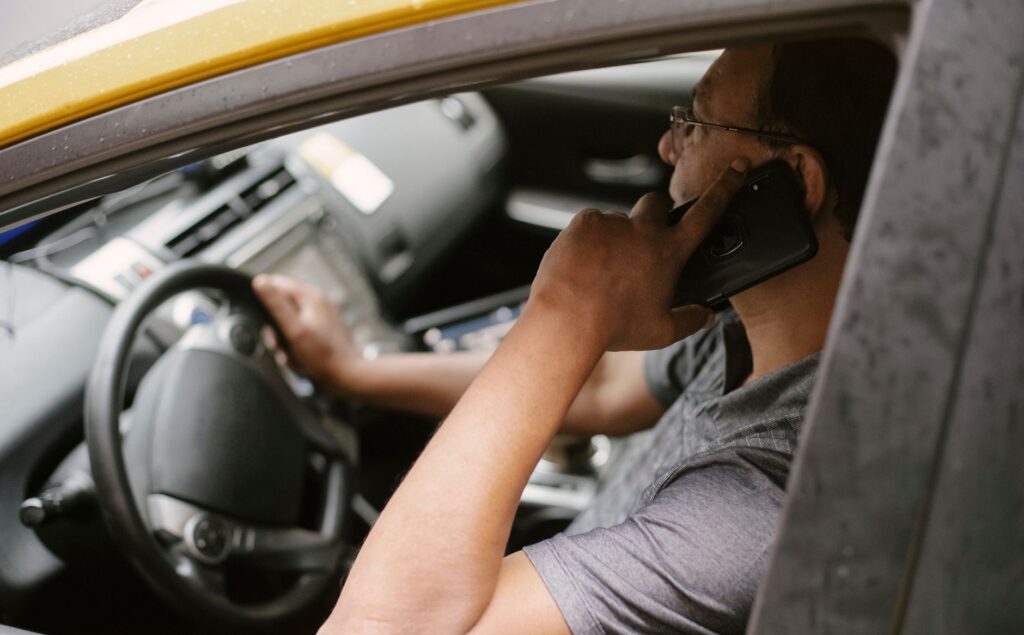
If Uber or Lyft deactivated your account after a collision, California law gives you more than the companies’ internal process suggests. Under Proposition 22, a network company may not terminate a driver’s contract except on a ground specified in that contract, and it must provide an appeals process. A separate 2025 law now makes deactivation a mandatory subject of bargaining, though that framework is still being built.
B&D Injury Law Group represents rideshare drivers and passengers injured in California collisions. This article explains what rights a deactivated driver actually has, how deactivation interacts with an injury claim, and what to preserve immediately.
Deactivation After a Crash Is Common
Uber’s own deactivation policy lists reports of crash involvement as grounds for review, and a collision can leave a driver suspended or deactivated. For a full-time driver this is a loss of income that arrives at the same moment as the injury, which is precisely why it deserves attention rather than resignation.
It also creates a practical problem for the injury claim itself. A deactivated driver frequently loses access to the trip history, in-app messages, and earnings records that establish what the app status was at the moment of the crash. Those records determine which insurance layer applies.
What Proposition 22 Actually Requires
Proposition 22, passed in 2020, is most often associated with classifying app-based drivers as independent contractors. In Castellanos v. State of California (2024) 16 Cal.5th 588, the California Supreme Court rejected a constitutional challenge to section 7451, Proposition 22’s independent contractor provision, so that classification remains the law.
Less well known is that Proposition 22 also created termination protections, codified at Business and Professions Code section 7452:
Subdivision (a) requires the company and the driver to enter a written agreement before the driver receives access to the platform. Subdivision (b) provides that a network company shall not terminate a contract with an app-based driver unless based upon a ground specified in the contract. Subdivision (c) requires network companies to provide an appeals process for drivers whose contracts are terminated.
Section 7456 separately bars refusing to contract with, terminating, or deactivating a driver based on protected characteristics.
The practical value of section 7452(b) is that it converts a vague suspension into a question with a checkable answer: which specified ground in the agreement does the company say applies? A deactivation that cannot be tied to a contractual ground is a deactivation the statute does not permit.
Local Rules Do Not Apply
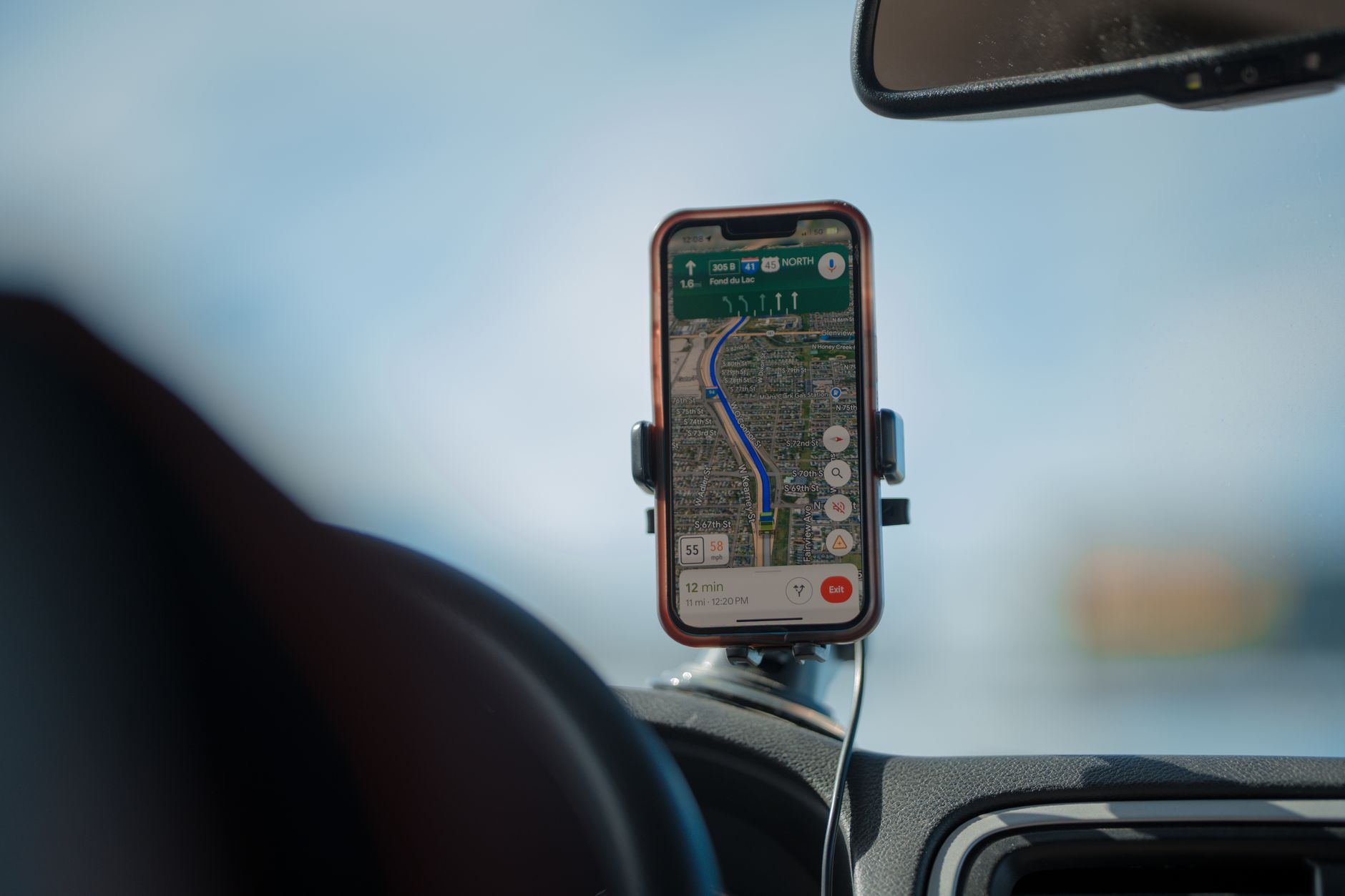
Drivers sometimes look to a city ordinance for help. Business and Professions Code section 7464(b)(4) provides that the state occupies the field with respect to app-based driver rights concerning a network company’s termination of a driver’s contract. Local deactivation ordinances are preempted, so the analysis stays at the state level.
The 2025 Law and What It Does So Far
Assembly Bill 1340, chaptered in October 2025, created the Transportation Network Company Drivers Labor Relations Act at Business and Professions Code sections 7470 and following. It is a significant structural change and it is worth describing accurately, because it is easy to overstate.
Section 7470.11 makes deactivations a mandatory subject of bargaining. Section 7470.13(a) requires that sectoral agreements address, at a minimum, an appeals process for deactivations, representation of drivers in deactivation appeals, and grievance and arbitration procedures. Section 7470.18(a)(7) prohibits a company from deactivating a driver because they participated or declined to participate in a driver organization.
The rollout is staged. Quarterly driver reporting began with the quarter ending March 31, 2026, with lists due within two weeks after each quarter ends, and driver organizations could seek certification after May 1, 2026. On September 9, 2026, the Public Employment Relations Board certified the California Gig Workers Union as the bargaining representative for a statewide unit of Uber and Lyft drivers.
What that means as of today is that a union can now bargain over deactivations, but AB 1340 does not yet give an individual driver deactivation rights to invoke. No sectoral agreement yet exists. The enforceable individual protection right now still traces to Proposition 22 section 7452(c), whose appeals process is designed by the company.
One correction worth making because it circulates: the relevant statute is Assembly Bill 1340. There is no Senate Bill 1340 in this area.
How Deactivation Affects Your Injury Claim
The insurance that responds to a rideshare collision depends entirely on app status at the moment of the crash, and California sets the layers by statute in Public Utilities Code section 5433.
| Period | Driver’s status | Required coverage |
|---|---|---|
| Period 1 | App on, no ride accepted | $50,000 per person / $100,000 per incident / $30,000 property damage, plus excess of at least $200,000 per occurrence |
| Periods 2 and 3 | Ride accepted, en route or passenger aboard | $1,000,000 for death, personal injury and property damage |
The gap between Period 1 and Period 2 is large, and the evidence that establishes which applies lives in the app. That is why deactivation is not merely an employment problem. If you lose access before capturing your trip history, you may lose the cleanest proof of your own coverage position.
What To Do Immediately
Screenshot everything while you still have access. Capture the trip detail for the ride in question including timestamps, the earnings screen for that day and week, any in-app messages about the incident, and the deactivation notice itself with its stated reason. Do this before responding to anything, because access can be cut without warning.
Download your data. Both companies offer a mechanism to request a copy of your account data, and requesting it early is far easier than extracting it later.
Ask, in writing, for the specific contractual ground for the deactivation. Section 7452(b) requires the ground to be specified in the contract, so a written request creates a record and forces the question.
Use the appeals process and keep a copy of everything you submit. Section 7452(c) requires the company to provide one, and an appeal filed and documented is worth more than a phone call.
Preserve your own evidence of the crash independently of the app: photographs, the exchange of information, the police report number, witness contacts, and the names of any passengers.
Report the collision to your own auto insurer as your policy requires, and be precise about your app status. Personal auto policies commonly exclude commercial use, and the rideshare endorsement, if you have one, may be what bridges Period 1.
What Deactivation Does Not Do
It does not end your injury claim. Your right to recover from an at-fault driver arises from the collision, not from your account status. The company’s decision about your access to the platform does not determine your right to compensation.
It also does not decide fault. A deactivation is an internal business decision made quickly and often without investigation, and it is not an adjudication that you caused the crash. Expect an adjuster to suggest otherwise, and treat that as an argument rather than a fact.
Can Uber or Lyft deactivate me for any reason in California?
No. Business and Professions Code section 7452(b), enacted by Proposition 22, provides that a network company shall not terminate a driver’s contract unless based upon a ground specified in the contract, and section 7452(c) requires the company to provide an appeals process.
Do I have a right to appeal a deactivation?
Yes. Section 7452(c) requires network companies to provide an appeals process for drivers whose contracts are terminated. The process is designed by the company, so document your submissions carefully.
Does the 2025 law give drivers new deactivation rights?
It creates a framework rather than immediate individual rights. AB 1340 makes deactivation a mandatory subject of bargaining and requires future sectoral agreements to include an appeals process and driver representation, but that structure is still being implemented and no sectoral agreement yet exists.
Does deactivation affect my injury claim?
Not legally, but practically it can. Your right to recover comes from the collision. The risk is evidentiary: losing app access can cost you the trip records that establish which insurance period applied, which determines whether $1,000,000 in coverage or a much smaller Period 1 layer responds.
What should I save before I lose access?
Trip detail with timestamps, earnings screens, in-app messages, and the deactivation notice with its stated reason. Request a full copy of your account data as well. Capture all of it before responding to the company.
If you were hurt driving for a rideshare company in California, preserve your app records first. Learn more about rideshare accident claims, read about car accident cases, or contact B&D Injury Law Group for a free consultation.
This article is provided for general informational purposes only and does not constitute legal advice. Reading it does not create an attorney-client relationship. Every case is different and past results do not guarantee a similar outcome. If you have been injured, speak with a licensed attorney about your specific situation.