

Medical expenses are often the backbone of an injury claim. They’re documented, they’re tied to dates, and they help show how serious the injury was. But not every health-related cost counts, and California has specific rules about how they’re measured.
The basic rule
California’s jury instruction on medical expenses, CACI 3903A, says an injured person must prove the reasonable cost of reasonably necessary medical care. That breaks into two questions: was the care reasonably necessary because of the injury, and was the cost reasonable?
Past medical expenses
These are costs for care you’ve already received. They commonly include:
- Ambulance and emergency room care
- Hospital stays and surgery
- Doctor and specialist visits
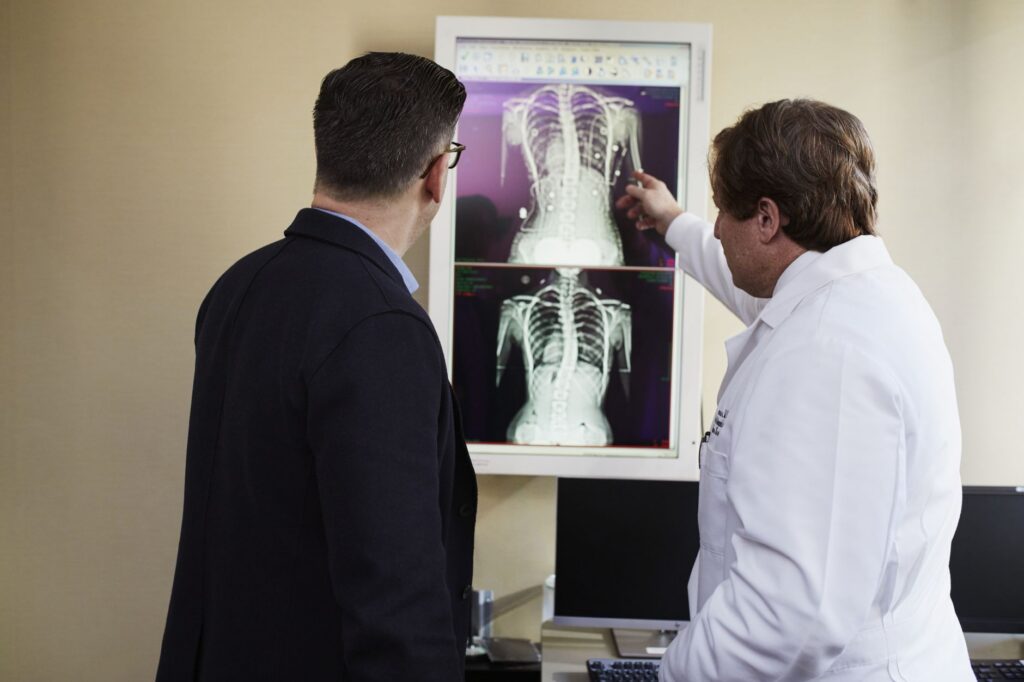
- Imaging such as X-rays, CT scans and MRIs
- Physical therapy, chiropractic care and rehabilitation
- Prescriptions and medical equipment like braces, crutches or a wheelchair
For past care, California generally looks at what was actually paid or is still owed, not the full billed amount, under Howell v. Hamilton Meats & Provisions, Inc. (2011) 52 Cal.4th 541. Our guide on keeping medical bills and insurance statements separate explains why that changes the math.
Future medical expenses
If you’ll need more care, such as another surgery, ongoing therapy or medication, that can be part of the claim. Under CACI 3903A, you must prove the reasonable cost of care you’re reasonably certain to need in the future. Possible care isn’t enough. Usually a treating doctor or medical expert explains what’s likely, how often and for how long, and someone puts a cost on it. Future economic damages are generally reduced to present cash value under CACI 3904A.
What’s usually left out
- Treatment for conditions unrelated to the accident
- Care that isn’t reasonably necessary for the injury
- The written-off gap between a full bill and a lower negotiated payment for past care
- Costs with no records behind them
A preexisting condition doesn’t automatically end the discussion. California’s jury instruction CACI 3927 says there’s no recovery for a condition you already had, but if the accident made it worse, damages can compensate for the effect on that condition. Clear before-and-after medical records make the difference.
Habits that protect the claim
- Get checked out promptly, and tell the provider how the injury happened.
- Follow the treatment plan, or write down why you couldn’t, for example cost or transportation.
- Keep receipts for prescriptions and equipment.
- Ask each provider for an itemized bill, and keep every insurance statement.
Related reading
See Who Pays Medical Bills After a Car Accident in California? and Reading a Settlement Breakdown: Gross vs. Net.
This guide is part of our California injury compensation guides.
Questions about your own case? Our team offers a free consultation at (888) 977-2238.
Sources
- CACI 3903A: Medical Expenses, Past and Future
- CACI 3904A: Present Cash Value
- CACI 3927: Aggravation of Preexisting Condition or Disability
- Howell v. Hamilton Meats & Provisions, Inc. (2011) 52 Cal.4th 541
Attorney advertising. General information, not legal advice.