

If you were injured in a car crash, a fall or another accident in the Bay Area, the agency that wrote the report, the court where a case would be filed and the public agency that may share the blame all depend on which county and city you were in. This page explains how those pieces work across the Bay Area, links to our pages for individual cities, and explains how our San Francisco personal injury attorneys can help.
Looking for a Bay Area personal injury lawyer? B&D Law Group, APLC handles car, truck, motorcycle, pedestrian and premises injury cases throughout the Bay Area, and the first consultation is free.
Counties in the Bay Area
The Metropolitan Transportation Commission (MTC) describes the region as the nine-county San Francisco Bay Area: Alameda, Contra Costa, Marin, Napa, San Francisco, San Mateo, Santa Clara, Solano and Sonoma counties. MTC says the region includes 101 cities.
Bay Area cities we serve
Each of these pages explains how to get a collision report from the local police or sheriff, where claims against that city go, and which courthouse serves it:
- San Francisco personal injury attorneys
- Oakland personal injury attorneys
- San Jose personal injury attorneys
- Fremont personal injury attorneys
- Hayward personal injury attorneys
- Union City personal injury attorneys
- Walnut Creek personal injury attorneys
- San Mateo personal injury attorneys
- Sunnyvale personal injury attorneys
- Santa Clara personal injury attorneys
- Vallejo personal injury attorneys
- Santa Rosa personal injury attorneys
Collision reports and the CHP in the Bay Area
The CHP Golden Gate Division covers the same nine counties. Its Area offices are Contra Costa, Dublin, Hayward, Marin, Napa, Oakland, Redwood City, San Francisco, San Jose, Santa Rosa and Solano. Freeway crashes are generally handled by the CHP, so the Area office for that stretch of road is usually where the report is.
Crashes on city streets are usually handled by the city police department or, in cities that contract for policing, the county sheriff. The city pages above explain how to request those reports.
Courts in the Bay Area
Each county has its own Superior Court. Here is where each court’s website points civil filers:
- Alameda County Superior Court: lists civil locations at the René C. Davidson Courthouse and Administration Building in Oakland, the Hayward Hall of Justice and the George E. McDonald Hall of Justice in Alameda.
- Contra Costa County Superior Court: limited and unlimited civil cases are filed and heard at the Wakefield Taylor Courthouse in Martinez.
- Marin County Superior Court: Civil Clerk’s Office, Hall of Justice, Civic Center, San Rafael.
- Napa County Superior Court: Civil Division at the Historic Courthouse, 825 Brown St., Napa.
- San Francisco Superior Court: Civil Clerk’s Office at the Civic Center Courthouse, 400 McAllister St.
- San Mateo County Superior Court: Hall of Justice, 400 County Center, Redwood City.
- Santa Clara County Superior Court: Downtown Superior Court, 191 North First Street, San Jose, which handles civil, probate and small claims.
- Solano County Superior Court: Civil Division filing clerk at the Old Solano Courthouse, 580 Texas St., Fairfield.
- Sonoma County Superior Court: Civil Clerk’s Office at the Civil and Family Law Courthouse, 3055 Cleveland Ave., Santa Rosa.
If your case goes to court, we handle where and how it is filed.
Bay Area crash data and transit
According to MTC’s Vital Signs data, last updated in October 2022, 472 people were killed in traffic crashes on Bay Area roads in 2020, and crash deaths in the region rose 48% between 2010 and 2020. MTC’s 511 transit directory lists 36 transit agencies in the region, including BART, AC Transit, SFMTA (Muni), VTA, SamTrans, Caltrain, Golden Gate Transit, SMART and San Francisco Bay Ferry.
Cases we handle for people hurt in the Bay Area
Our personal injury attorneys represent people injured in the Bay Area in cases including:
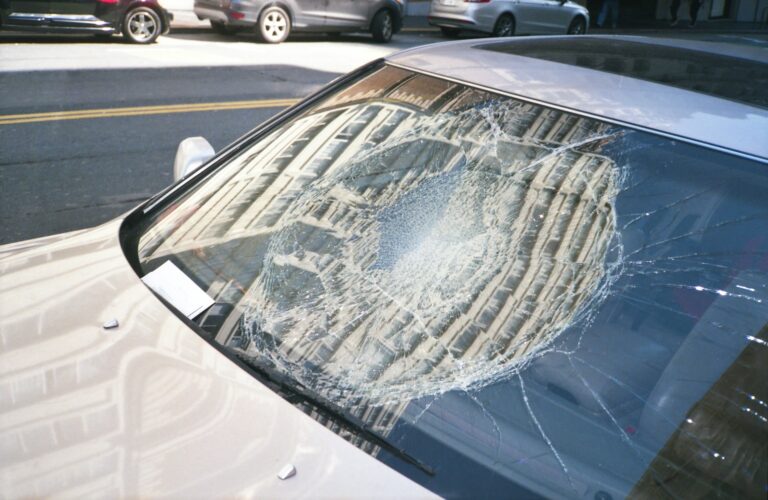


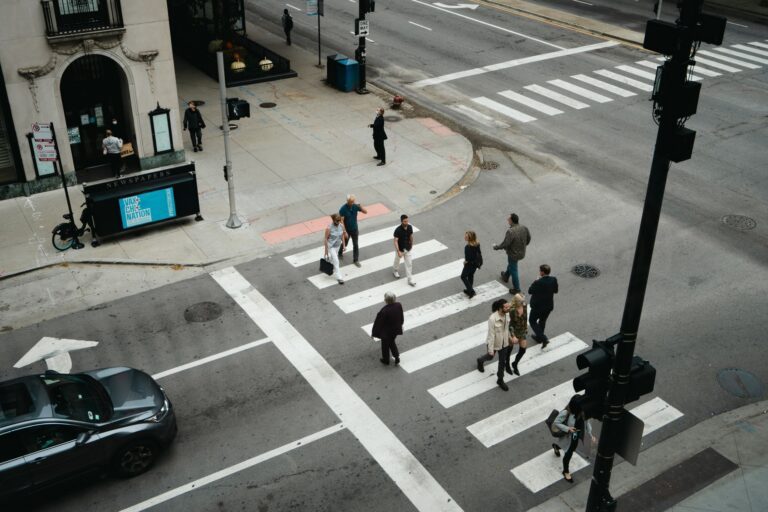







You can also read about our past case results and what clients say about working with us.
What a Bay Area injury claim can cover
California law sorts personal injury damages into a few categories:
- Economic damages: objectively verifiable money losses, such as medical expenses, lost earnings and the cost of repairing or replacing property (Civil Code section 1431.2).
- Non-economic damages: subjective losses such as pain, suffering, emotional distress and loss of companionship (same section).
- Punitive damages: available only in limited cases, when it is proven by clear and convincing evidence that the defendant acted with oppression, fraud or malice (Civil Code section 3294).
What a particular claim is worth depends on the injuries, the evidence and the insurance available, so we review each case individually and never promise a result.
How a Bay Area personal injury case usually moves
- Free consultation. You tell us what happened and we explain your options. There is no attorney fee unless we recover compensation for you.
- Investigation. We gather the collision or incident report, photos, witness information and your medical records.
- Claim and negotiation. We present the claim to the insurance company and negotiate for a fair settlement.
- Government claim if needed. If a city, county, Caltrans or another public agency may share responsibility, we prepare the written claim before the six-month deadline.
- Lawsuit if needed. If the case does not settle, we file a lawsuit in the proper California Superior Court and keep pushing toward trial.
Deadlines and fault rules that apply to every California injury claim
- Two years to file a lawsuit. Most personal injury lawsuits must be filed within two years of the injury under Code of Civil Procedure section 335.1.
- Six months for claims against a public agency. If a city, county or state agency may be responsible, for example because of a dangerous road condition or a government vehicle, a written claim generally must be presented within six months after the claim accrues under Government Code section 911.2. Missing that deadline can end the claim.
- Partly at fault does not mean no recovery. California uses pure comparative fault (Li v. Yellow Cab Co. (1975) 13 Cal.3d 804). If you share some of the blame, your compensation is reduced by your share rather than barred.
Bay Area personal injury FAQ
How much does a personal injury lawyer cost in the Bay Area?
B&D Law Group, APLC handles personal injury cases on a contingency fee, which means no attorney fee unless we recover compensation for you. The consultation is free.
How long do I have to file a personal injury claim in the Bay Area?
Most California personal injury lawsuits must be filed within two years of the injury (Code of Civil Procedure section 335.1). If a city, county or state agency may be responsible, a written claim generally must be presented within six months (Government Code section 911.2).
What if I was partly at fault for the accident?
California follows pure comparative fault (Li v. Yellow Cab Co.). If you share some of the blame, your compensation is reduced by your share rather than barred.
Can I make a claim against a city or county?
Yes, but California requires a written claim to the public agency before a lawsuit can be filed (Government Code section 945.4), and the claim generally must be presented within six months. Our city pages explain where claims against each city go.
Where do I get my accident report in the Bay Area?
It depends on where the crash happened. Freeway crashes are generally handled by the California Highway Patrol, and crashes on city streets by the local police or sheriff. The city pages linked above explain how to request each report.
Talk to a B&D Law Group attorney
B&D Law Group, APLC represents people hurt in the Bay Area from our San Francisco office at 50 California St, Suite 1500. The consultation is free, and we handle personal injury cases on a contingency fee, which means no attorney fee unless we recover compensation for you. Call (888) 977-2238 or send us your case details. You can also see all areas we serve.
Attorney advertising. This page is provided for general informational purposes only and is not legal advice. Reading this page or contacting us does not create an attorney-client relationship. Agency procedures, fees and data on this page were checked against official sources in October 2026 and can change. Prior results do not guarantee a similar outcome.