

Quick answer
The insurer usually pays the car's actual cash value to the leasing company, which owns the car, and that money goes toward your lease payoff. If the payoff is higher than the value, which is common, you may still owe the difference unless gap coverage pays it. Gap coverage often excludes your deductible, missed payments and wear or mileage charges, so read the contract before signing anything.
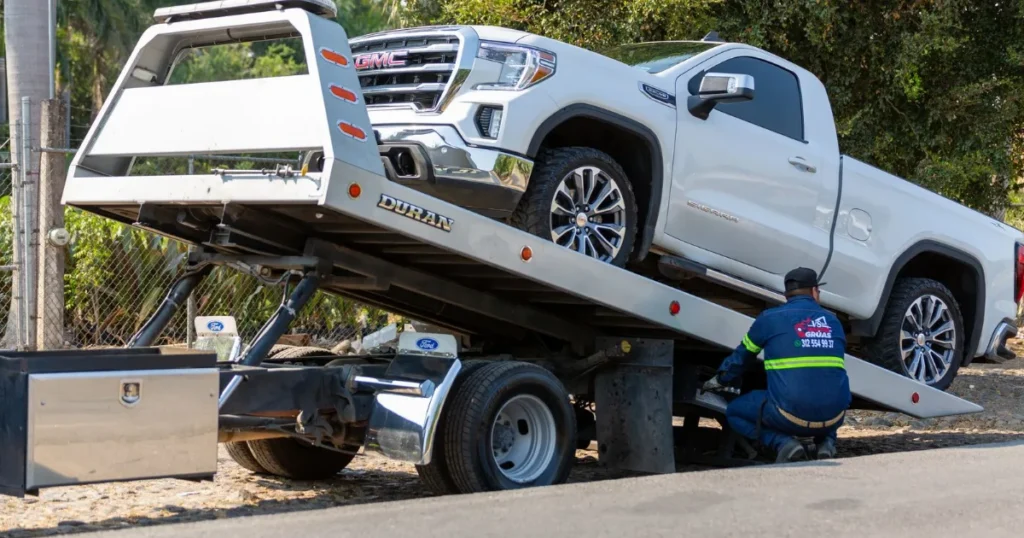
You made every payment on time. The car was never really yours, but it was the one you drove to work and to school pickup. Now it is sitting in a tow yard, an adjuster has used the words “total loss,” and you are being told to keep paying on a car you will never drive again.
If that is where you are, take a breath. A totaled lease is confusing, but it is not a dead end. Here is a plain-English walkthrough of what actually happens in California: who gets the money, what your insurer is legally required to pay, where gap insurance fits in, and what most people miss.
What “Total Loss” Actually Means in California
Most people assume a car is totaled when the damage crosses some magic percentage. California does not work that way.
Under California Vehicle Code section 544, a “total loss salvage vehicle” is essentially one that the owner, the leasing company, the financial institution, or the insurance company considers uneconomical to repair, and that therefore is not repaired.
Two practical consequences follow. First, the decision is a business judgment, not a formula, which means it can be questioned. Modern cars packed with sensors and airbags get totaled after damage that looks modest from the outside. Second, once a total loss settlement is made, it is reported to the DMV (Vehicle Code section 11515 requires the report within 10 days), and the DMV issues a salvage certificate for the vehicle.
Who Actually Gets the Check: You or the Leasing Company?
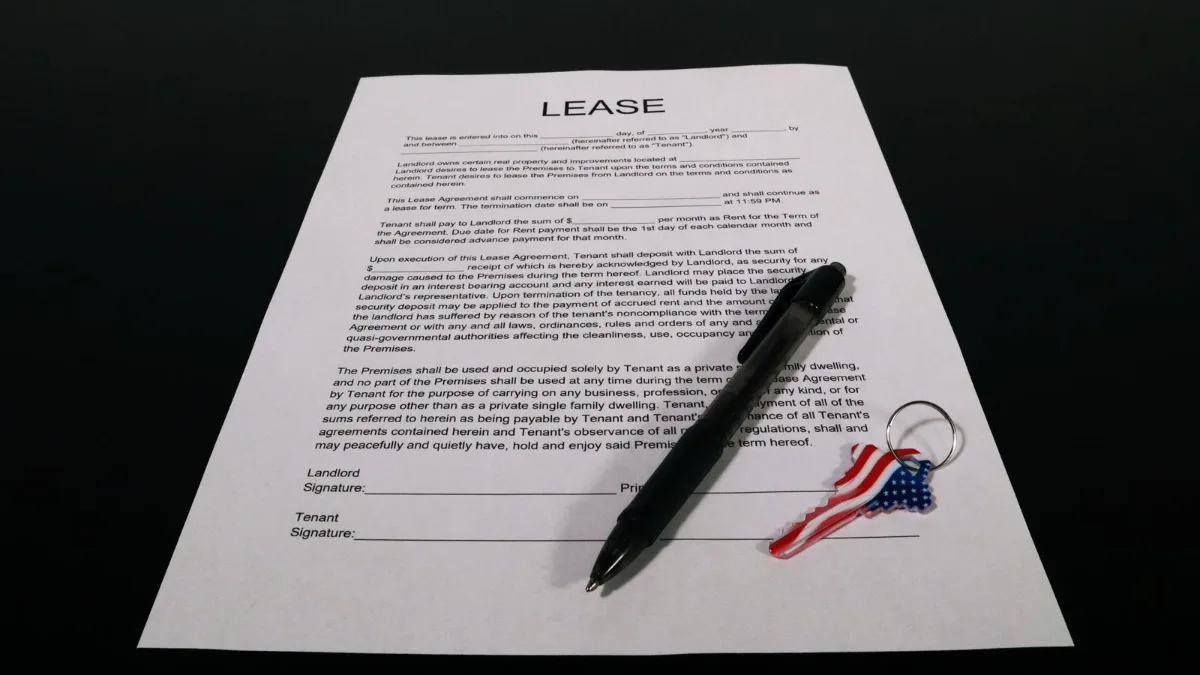
This is the part that surprises people most. You do not own the car. The leasing company does.
So when the vehicle is declared a total loss, the insurer generally pays the actual cash value of the car to the party with the ownership interest (the lessor), not to you. You are usually the “lessee,” and your rights come from the lease contract plus your insurance policy.
In practice: the insurer sets the vehicle’s actual cash value as of the moment before the crash, and that money goes toward the lease payoff amount the leasing company says it is owed. If the value is more than the payoff, the surplus may come to you. If it is less, which is the far more common situation, someone still owes the difference. That gap is where most of the pain lives.
Read your lease agreement before you sign anything the insurer sends you. Early-termination language, disposition fees, and excess wear-and-tear charges are all pressure points.
What Your Insurer Is Legally Required to Pay in California
California regulates auto total-loss settlements more tightly than many drivers realize. Under the Fair Claims Settlement Practices Regulations, when an insurer settles a total loss on a cash basis, the settlement is based on the cost of a comparable automobile, and it must include all applicable taxes and one-time transfer fees, plus license and other annual fees prorated for the unexpired term of the registration (10 CCR § 2695.8(b)).

Three more details worth knowing, because insurers do not always volunteer them:
- The valuation must be itemized. The regulation says the settlement “shall be fully itemized and explained in writing for the claimant at the time the settlement offer is made.” If you got a number with no breakdown, you are entitled to the breakdown.
- “Comparable” has a definition. It means a vehicle of like kind and quality, made by the same manufacturer, of the same or newer model year, with similar options and mileage, and it must have been available for retail purchase in your local market area within 90 calendar days of the final settlement offer. Comparables pulled from four states away are fair game to challenge.
- There is a reopening right on your own insurer’s total loss claim. If you cannot buy a comparable vehicle for the gross settlement amount, you generally have 35 calendar days after receiving the claim payment or final settlement offer to notify the insurer, which triggers reopening of the claim unless the final offer already identified a specific comparable vehicle available for that amount (10 CCR § 2695.8(c)).
None of that guarantees a particular number. It does mean the first offer is a starting point, not a verdict.
Gap Insurance: What It Covers, and What It Quietly Does Not
Gap coverage (sometimes a “GAP waiver” on a lease) is designed to cover the difference between what the insurer pays for actual cash value and what you still owe under the lease.
Some California leases build it in. Many do not. Check your lease packet and your declarations page before you assume you are covered.
Gap coverage commonly does not pay for your deductible, missed or late lease payments, excess mileage and wear-and-tear charges, disposition fees, negative equity rolled in from a previous vehicle, or extras financed alongside the car like service contracts. Read the actual contract language rather than relying on what you were told at signing.
If a balance remains after the insurance payment and gap coverage, it does not simply evaporate. It becomes a debt question, one worth getting eyes on before you agree to anything in writing.
If the Crash Was Not Your Fault, the Math Changes
When someone else caused the collision, you are not limited to your own policy. You may have a claim against the at-fault driver’s liability insurance for the property damage. And where a vehicle is repaired but is worth less after the repairs, California’s damages instructions allow recovery of that difference in value plus the reasonable cost of the repairs, up to the vehicle’s value just before the crash (CACI No. 3903J). This is the idea commonly called diminished value.
If the at-fault driver has no insurance or not enough, your own uninsured/underinsured motorist coverage may be the path forward. Our guide on what happens if the at-fault driver is uninsured in California walks through that. And be careful with quick property-damage settlements whose release language reaches your other claims; our list of mistakes to avoid after a California car accident covers the traps we see most.
Your Injury Claim Is a Separate Case From Your Car
This is the single biggest thing the car-focused articles leave out.
The property-damage claim and the bodily injury claim are different claims, with different money and different deadlines. In California, the deadline to file a lawsuit for personal injury caused by negligence is generally two years (Code Civ. Proc. § 335.1), while the deadline for damage to personal property is generally three years (Code Civ. Proc. § 338). If a government entity or public vehicle is involved, a written claim to the entity is generally due within six months (Gov. Code § 911.2).
So closing out the car does not close out your injuries. If you are sore, foggy, or not sleeping right, get evaluated, and see our overview of how to handle a car accident claim in Los Angeles for what comes next.
Frequently Asked Questions
When a leased car is totaled, what happens to my monthly payments?
They generally do not stop the moment the adjuster says “total loss.” They typically continue until the insurer’s payment and any gap coverage settle the account. Ask the leasing company in writing for a payoff quote and a statement of what is owed.
Can I keep the car if it is totaled?
Sometimes, but on a lease the leasing company owns the car, so this is usually its decision, not yours. Where an owner retains the vehicle, California’s total-loss regulation allows the salvage value to be deducted from the settlement, measured by what a salvage pool or licensed salvage dealer would pay (10 CCR § 2695.8).
What if I disagree with the total loss valuation on a leased vehicle?
Ask for the itemized written valuation and the specific comparables used, then check that they are the same or newer model year, similarly equipped, and were actually for sale in your local market within 90 days. You can obtain an independent appraisal, and California policyholders can file a complaint with the California Department of Insurance.
Do I need a lawyer for a totaled leased car?
Not always. If the numbers are clean, gap coverage applies, and nobody was hurt, many people handle it themselves. It is worth a conversation when someone was injured, when the at-fault driver is uninsured, when the valuation looks low, or when you are told you owe money after the payout.
Talk It Through With Someone Before You Sign
If your leased vehicle was totaled in a California crash, especially if you or a passenger was hurt, you are allowed to ask questions before you accept anything. B&D Law Group, APLC offers a free, no-pressure consultation. We will look at the valuation, the lease, and the injury side of the claim, and tell you honestly whether you need us. Call (888) 977-2238 whenever you are ready. There is no obligation, and there is no charge for the conversation.
This article is general information about California law and is not legal advice. Every case is different, and results depend on the specific facts of each case; no outcome, settlement amount, or timeline is ever guaranteed, and past results do not guarantee a similar outcome. Reading this article or contacting B&D Law Group, APLC does not create an attorney-client relationship.